
By Thomas Leurent – CEO of Akselos
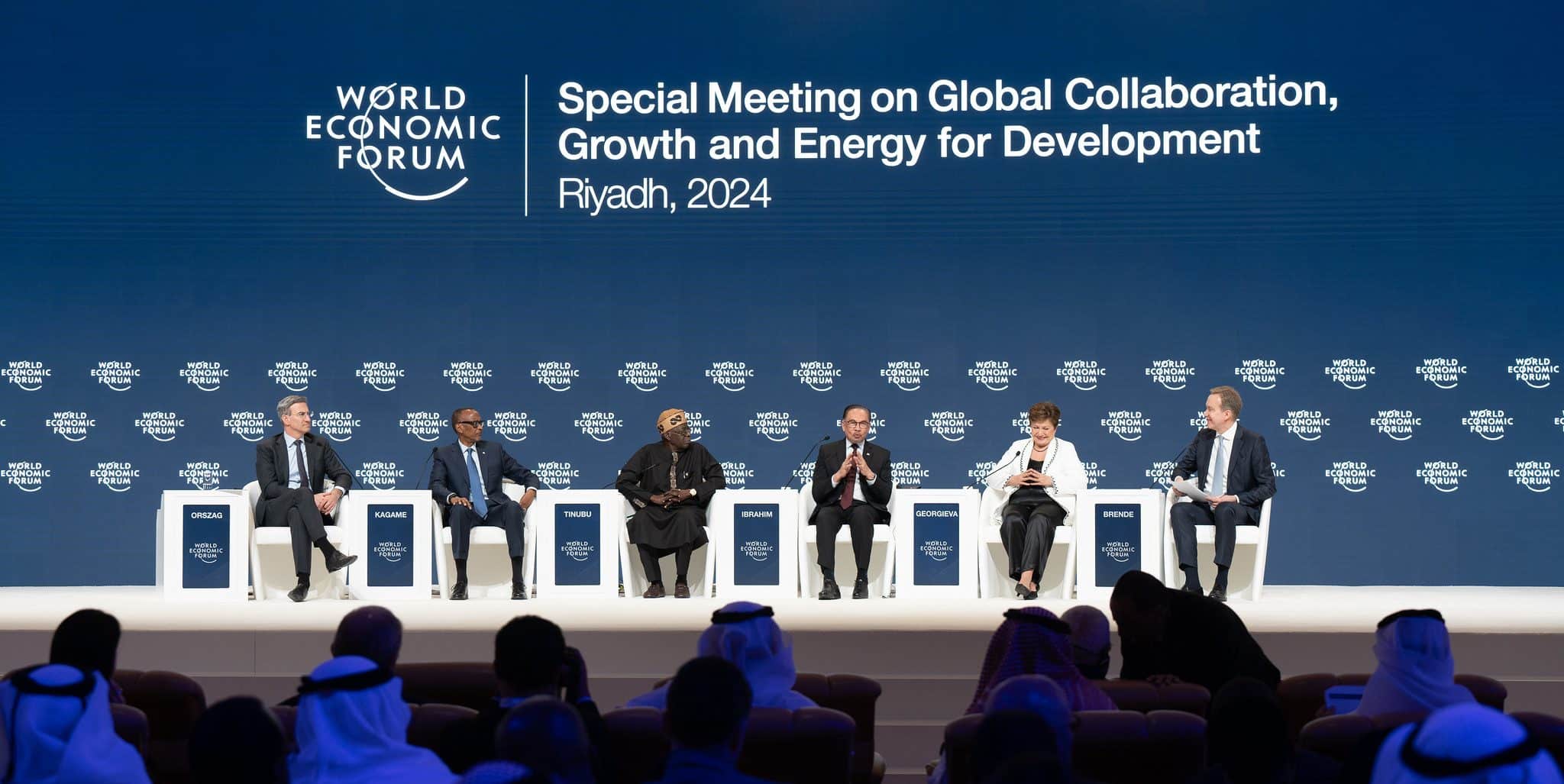
As global leaders convened in Riyadh this week for a special meeting of the World Economic Forum (WEF), some of the most influential thinkers in the world placed technology against the wider backdrop of global change. As tech leaders, our challenge will be to make growth inclusive and help counterbalance a ‘geopolitical recession’.
The Kingdom of Saudi Arabia played an interesting role as hosts of this special meeting. Its Vision 2030 journey, rooted in its own deep culture, and focused on clear goals in the areas of sustainability, inclusivity and diversification provided a special lens to the Meeting.
What is clear is that we are now in a time of change. Making progress on a global scale is an imperative. Through a series of livestreamed panel discussions and private sessions, the debates at this special meeting of the WEF provided key insights on how global organizations will fit into the landscape of global energy and geopolitical dynamics.
These are transformative times.
Reversing the Energy Narrative
One standout moment was during a discussion on resilient climate growth in the MENA region. There, one of the GCC’s largest energy companies emphasized its continued commitment to environmental stewardship.
The representative recounted how the organization managed to produce oil with the lowest carbon cost on the planet. This matters, considering that the energy industry is the largest CO2 emitter on Scope 1 alone and that we will need oil and gas for decades to come, in any scenario.
Mindset matters. Since the 1970s, this energy organization has been meticulously managing resources, like groundwater, and minimizing flaring through gas redistributions. And it is now investing in large-scale carbon capture and storage projects.
A Need for Global Inclusivity for Energy and also for Tech
In the midst of all this, the energy industry’s transformation journey was impossible to ignore. The rapid progress for this industry’s largest leaders, from increasing female workforce participation, to ambitious plans for a lower carbon intensity industry, initially on Scopes 1 and 2, is truly remarkable. Again, Saudi Arabia is making exemplary progress in those areas.
In addition, notable political leaders intervened over the course of the meeting to underscore the importance of resolving conflicts on the political stage.
Amidst these discussions, a memorable visitor added weight to the urgency of global diplomacy. US Secretary of State Anthony Blinken’s talk at the World Economic Forum gave weight to the global impact of the Gaza crisis.
Among peaceful nations, diplomatic ties across international borders will help to unlock more growth in the coming decade. Paired together, diplomacy and technological innovations can bring together more economic forces on the international stage.
Underlining the importance of those economic forces, the special meeting highlighted key global alliances that are active today. The collaboration between the GCC and the Association of Southeast Asian Nations (ASEAN) stands out to me as a testament to the region’s commitment to innovation and rising technologies. This is something with which Akselos experiences everyday. As a company, we regularly foster international collaboration across our customers in the GCC and our high-end service and support team in Vietnam (historically the second country to join ASEAN).
We were dearly reminded over the past two years that affordable, sustainable and secure energy are key to our societies.
Against the setting of our meeting place in Saudi Arabia, we also fully grasped how leading energy producers are making sure that technology is inclusive throughout society. National Oil Companies (NOCs) take this especially seriously, as we heard earlier this year at CERAWeek.
Using Technology to Drive Growth Across Borders
It wasn’t just geopolitical tensions and the energy trilemma that played centerstage at this special meeting. The Advanced Energy Solutions session showcased groundbreaking ideas that were once considered far-fetched. Concepts like direct air capture, gravity storage, and next-generation nuclear energy are gaining strong market traction.
In this area, Akselos Structural Performance Management is breaking ground to transform some of the most timeworn parts of our global energy infrastructure, extending the life of these assets through our advanced simulation capabilities.
We have known for years that the electrification of transport and heightened heating demands are driving the demand for power across the globe. And now we’re facing a surprise surge in power demand with the ever-expanding influence of AI.
At the meeting, we heard power demand to support AI operations are now soaring to an annual growth rate between 24 and 36 percent. The sheer computational power required to deliver on these new technologies sets a new and difficult benchmark for the tech sector.
How can we maximize computational efficiency to meet global demand while we keep making progress on the energy transition (and not just stack new energy sources on top of old ones, which has been the historical trend)?
Akselos’ core technology has always been rooted in computational efficiency. It is a once-in-a-generation upgrade in computational mechanics. We continuously refine and modernize our algorithms to meet the efficiency that is a non-negotiable prerequisite to digitalizing operations in the energy industry. Simply put, the world’s largest pieces of infrastructure must be managed through the most powerful and efficient technology.
This week’s special meeting of the WEF leaves us energized and hopeful for the future, with many thanks to the hosts in Saudi Arabia for having highlighted their region’s place within the global economy. They gave us a taste for a deep culture the Kingdom intends to take forward and keep blending with innovation into the 21st century.
With tech leaders leading the charge in innovation and sustainability, the possibilities for global progress are endless. I am thrilled to do my part at Akselos.