
How do we operate the infrastructure that powers the global economy with greater intelligence, greater reliability, and greater confidence in what it can withstand?
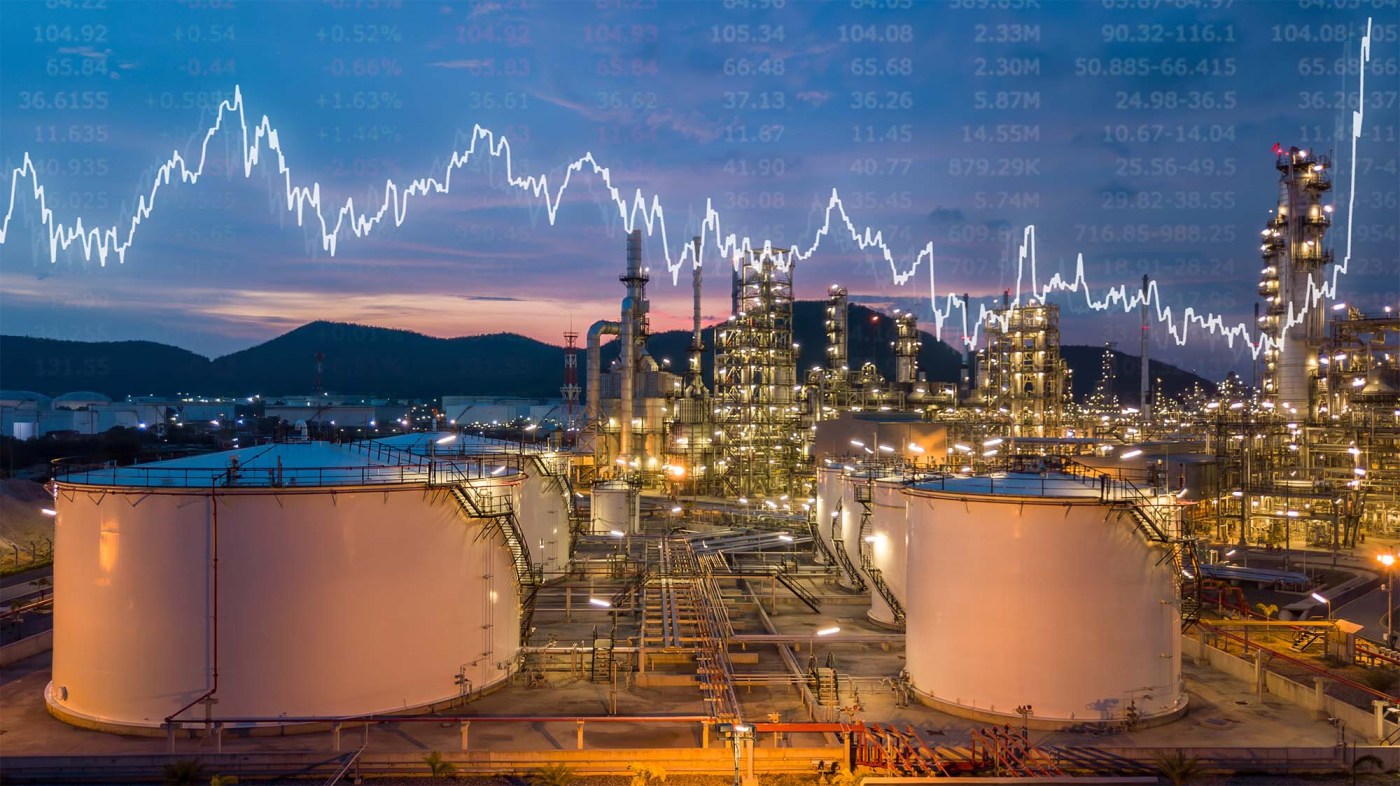
A combination of drone and ballistic missiles have targeted the GCC region’s critical energy sites. On behalf of everyone at Akselos, our thoughts are with the operators and employees on the ground, and with our own colleagues in the region. We hope for their safety, and for a swift de-escalation. The GCC has spent decades building stability through diplomacy and economic cooperation. We believe that differences must be resolved through dialogue, not force, and we hope that the path back to that is found quickly.
The energy industry underpins everything. It powers hospitals, factories, transport networks, and data centers underpinning the next wave of technological progress. When energy infrastructure is disrupted, economic disruption and consequences follow, and they do not stay contained to one region. The Gulf accounts for roughly one third of the world’s seaborne oil trade and a fifth of its LNG. What happens there matters in Tokyo, Rotterdam and Houston.
This CERAWeek will be one of the most important forums for the dialogue we need and to remind the global community of how interconnected the industry is to our economic and technological progress. More than 10,000 leaders from 89 countries will gather for CERAWeek 2026, chaired by Daniel Yergin and built around a theme that could not be more fitting: Convergence and Competition. Energy. Technology. Geopolitics.
Nearly 800 sessions will take place across five days. The CEOs of Chevron, Shell, ConocoPhillips, Occidental, Eni, NextEra, and SLB will be on stage. The US Secretary of Energy, Chris Wright, will deliver a plenary address as will the Director-General for Energy of the European Commission, the heads of Kuwait Petroleum, Vitol, and Cheniere, and executives from Ford, Google, and Alphabet are also scheduled to present.
The main stage conversations will matter. They always do. Equally, great insights at CERAWeek also happen when two executives sit down away from the cameras.
This year, three conversations are going to define the week. They are happening simultaneously. And they are not, as they might appear, three separate stories.
1. The Geopolitical Conversation: What Is the Real Risk in the Middle East?
The war involving Iran has sent Brent crude up to nearly $100 a barrel and nearly doubled Asian spot LNG prices. The Strait of Hormuz, through which roughly 20 per cent of the world’s oil and close to 20 percent of global LNG normally flows, has stopped moving traffic. It is the biggest disruption to oil supply in history, and it is the backdrop against which every conversation in Houston this week will take place.
And yet, as CERAWeek Chairman Daniel Yergin has pointed out, this crisis is unfolding in a fundamentally different global energy system than existed in previous decades. Iran, once one of the world’s major suppliers, now accounts for less than 2 percent of global oil supply, most of it going to China at a discount. The United States, which was the world’s largest oil importer less than two decades ago, is now the largest producer and the largest exporter of LNG. When Putin tried to weaponise Russian gas supplies against Europe, US LNG helped fill the gap. The US shale revolution changed the architecture of global energy security in ways that are now being tested in real time.
So the question at CERAWeek this week is no longer whether the global energy system can absorb this shock. It is already doing so, and the buffers that did not exist in 1973 or in the commodity shocks of 2008 are doing their job. Strategic reserves are being drawn down. Pipeline diversions around the strait are moving what they can. The US, as the world’s largest producer and LNG exporter, is filling gaps that no one else could have filled a decade ago.
The question now is duration. How long can the strait stay closed before those buffers run thin? How long before the deferred cost of operating under this kind of pressure starts showing up not in price screens but in physical systems?
Because that is the part of this story that is not yet being told.
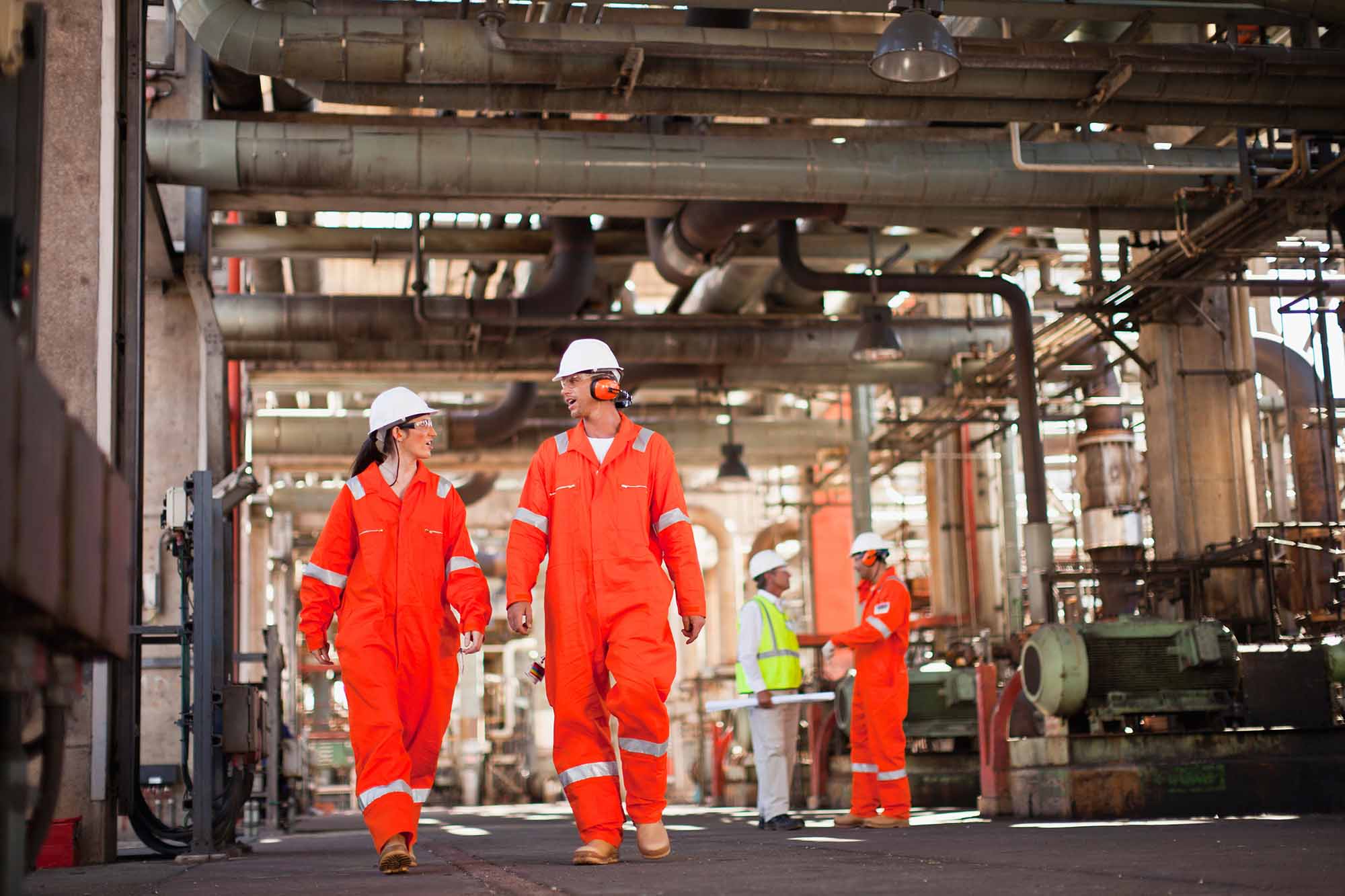
When prices spike and margins compress, operators cut. They defer maintenance. They push inspection cycles. They run assets harder for longer on tighter budgets. This is what happened in previous downturns, and it is also what happens when geopolitical pressure squeezes capital allocation decisions at the corporate level.
Wael Sawan at Shell, Ryan Lance at ConocoPhillips, and Shaikh Nawaf Al-Sabah from Kuwait Petroleum Corporation will all be speaking this week. The public conversation will be about markets and prices. The one I want to have is about what genuine operational resilience looks like when the pressure is no longer hypothetical.
2. The AI Conversation: Who Is Asking the Right Questions?
The infrastructure stress just described is precisely why the AI conversation at CERAWeeks matters more this year than it ever has. Not because of what AI is doing to energy demand, but because of what AI can do inside the energy system itself.
Every major operator, every technology partner, and every consultancy will have something to say about artificial intelligence and the energy sector. Amanda Peterson Corio from Google, Ruth Porat from Alphabet, and James Farley from Ford will all be speaking. John Ketchum of NextEra and Markus Krebber of RWE will be asked about AI’s insatiable appetite for grid capacity. Most of that conversation will be about demand. Data centres consuming grid capacity at a pace that makes planning departments nervous. Power purchase agreements being signed in volumes that would have seemed implausible in 2022. AI as a source of energy pressure.
That conversation is real and it matters. But I am more interested in the quieter half of the AI story: what AI is doing inside the energy system itself.
At Akselos, we work with physics-based AI that gives operators real-time visibility into how their physical assets actually behave under operating conditions. Not simulations based on design assumptions from the 1980s. Actual structural behaviour, continuously modelled, continuously updated. The World Economic Forum’s Global Lighthouse Network recognised this category of technology earlier this year as a Fourth Industrial Revolution breakthrough. It is already delivering hundreds of millions of dollars in value at refineries, offshore platforms, and downstream sites worldwide.

The question I want to hear at CERAWeek is not which AI vendor has the best pitch. It is whether energy leaders understand the difference between AI that sits on top of their operations and AI that is embedded in the physical reality of their assets. One is a dashboard. The other is a new class of industrial intelligence.
Can AI change the game for oil and gas economics? The question is on the CERAWeek agenda directly. The answer is yes, but only if the industry is asking the right question. Not just how AI can help us sell more energy, but how it helps us operate the infrastructure we already have more intelligently, safely, and for longer.
3. The Resilience Conversation: Is the Industry Ready to Be Honest?
This is the conversation I am most curious about this week.
The global energy system is simultaneously being asked to transition faster, absorb new technologies, and weather geopolitical instability. That is an enormous set of demands on infrastructure that, in many cases, was designed and built for a different era.
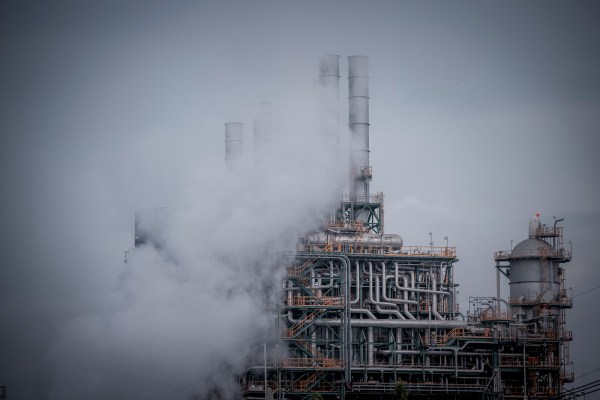
Resilience has historically been treated as an operational concern. Something for the engineers. Something for the maintenance schedule. What I am seeing across the industry is a recognition, accelerating quickly, that this framing is no longer adequate.
The CERAWeek agenda itself signals it, with sessions on adapting infrastructure to a changing climate, on fast-tracking energy infrastructure, and on the competitive edge of operational efficiency. The language of resilience is moving up the value chain.
But there is a gap between language and action that previous CERAWeek conversations tend to illuminate. Companies are investing in resilience at very different rates, with very different levels of sophistication in how they measure and manage structural risk.
Some are using real-time intelligence to understand the true condition and remaining life of their assets. Others are still relying on inspection cycles that were designed when the cost of downtime was lower and the margin for error was wider.
The honest conversation I hope to have this week is about what genuine infrastructure resilience looks like now, not as an aspiration, but as a capability. It is not about spending more. It is about seeing more clearly what you already own, and understanding what it can actually do. As one of our main customers says, “with Akselos, I am not trying to fly closer to the sun, I am figuring out where the sun is.”
Join us for a conversation on the future of AI
Akselos will be in Houston this week hosting a Lyceum session on Tuesday, March 24, in the Agora at CERAWeek. The session Safer, Harder, Longer: What AI is Right for Your Operations is designed to do exactly what good CERAWeek sessions should do: get the people in the room talking to each other, not listening to prepared remarks. We will have operators, engineers, analysts, and investors working through the real operating, financial, and strategic decisions that sit behind the AI for Structural Integrity category.
These three conversations, geopolitical risk, AI in the physical world, and the real meaning of resilience, are not parallel tracks. They converge on the same question: how do we operate the infrastructure that powers the global economy with greater intelligence, greater reliability, and greater confidence in what it can withstand?
That is the question we are going to Houston to explore. We hope to see many of you there.
Thomas leads the company from inception to becoming a trusted partner for operators managing some of the world’s most complex assets. His work sits at the intersection of the Fourth Industrial Revolution, applying the right tools to the right problems, and driving disruptive innovation that strengthens real-world infrastructure.