
Today, the World Economic Forum and McKinsey & Company recognized Qatar Shell’s Pearl GTL plant as a Global Lighthouse, a group of the world’s most advanced manufacturers. We are incredibly proud for Pearl GTL and for the industry to see this achievement, which resulted in a 9% increase in throughput, 99% reliability, a 7% cut in emissions, and up to 50% extended equipment life. This isn’t just an award; it’s a proven blueprint for the future of energy.
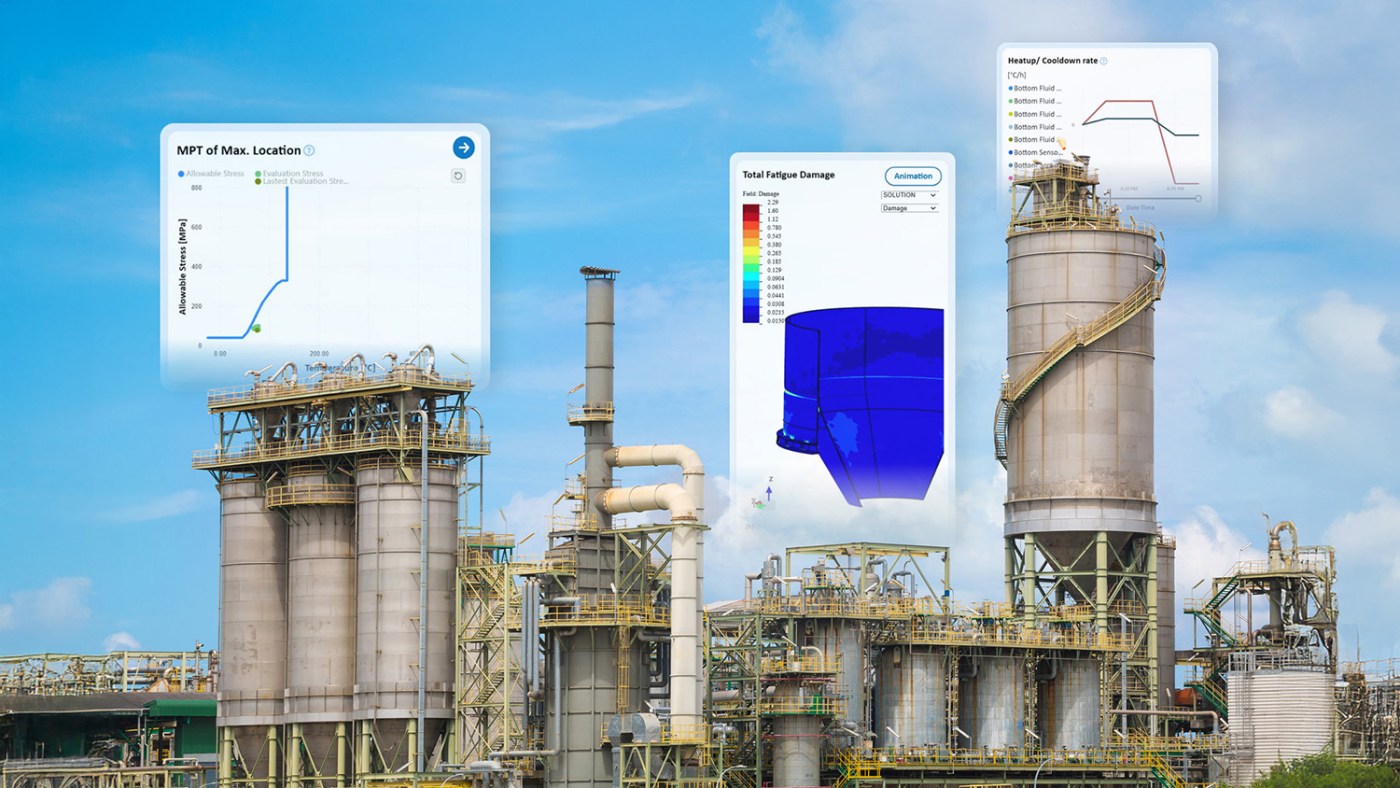
WEF highlights a key evolution: the use of AI for Structural Integrity. For the first time, companies can see inside their infrastructure with precision – spotting problems before they happen, cutting downtime, and extending asset life. The impact is notable. It’s saving customers millions each year while helping them cut carbon emissions and accelerate the energy transition.
This new technology helps turn assets from high cost centers into a source of strategic capital.
What is a Lighthouse and Why It Matters
The Lighthouse Project is a program run by the World Economic Forum and McKinsey to spotlight companies that are leading the way in digital transformation.
Winning a Lighthouse Award means more than getting recognition. It shows the world that big, complex changes can actually be made at scale, with real results. It’s proof that moving past small pilot projects and driving change across an entire site is possible, and it sets a clear example for how the rest of the industry can follow.
For years, the industry has viewed digital transformation as a high-risk, siloed effort. The fear of “pilot purgatory” and the “scaling slump” is real, causing many to hesitate on large-scale adoption. Shell’s win proves these challenges can be overcome. Their five-year strategic transformation demonstrates that a comprehensive approach can lead to a tenfold increase in transformation impact and nearly double the return on investment.
The Akselos Blueprint: A New Era for Asset Integrity
Leaders who achieve this kind of success don’t rely on single technologies. They use data and machine intelligence to orchestrate a suite of solutions. Shell’s own report to the WEF highlights a key evolution in this tech stack: the use of AI for structural integrity as a core component of its transformation. This confirms that we are in a new era for asset integrity, one that combines physics-based AI and structural twins to understand the impact that operational conditions have on integrity.
For years, industrial AI has been defined by pilots and point solutions. The Lighthouse program proves how a comprehensive, site-wide approach can lead to next-level scaling. This is the core mission of our SPM platform: to provide the foundational technology that helps operators move beyond single-use cases and achieve impact far, wide, and fast.

Unlock Your Own Lighthouse
The significance of the call out to AI for structural integrity in the WEF report is that it validates a new, essential approach to industrial operations. For too long, the industry has been flying blind when it comes to structural integrity. Operations and integrity have been locked in separate, reactive silos, leading to unplanned shutdowns & inflated costs. Solving one bottleneck only causes another to emerge elsewhere, keeping you constantly trailing your targets.
The SPM platform is built on fundamental engineering principles and AI to unite operations and integrity. This allows our partners to make data-backed decisions that are ready for a new era of demand and environmental responsibility.
This is why Akselos SPM is a key enabler for the Fourth Industrial Revolution. It empowers you to safely operate your assets with maximum output for the longest time possible, turning your assets from a cost center into a source of strategic capital. It’s the key to making your own Lighthouse a reality.